ServicesConstruction Debris
Construction Debris Removal in Winters
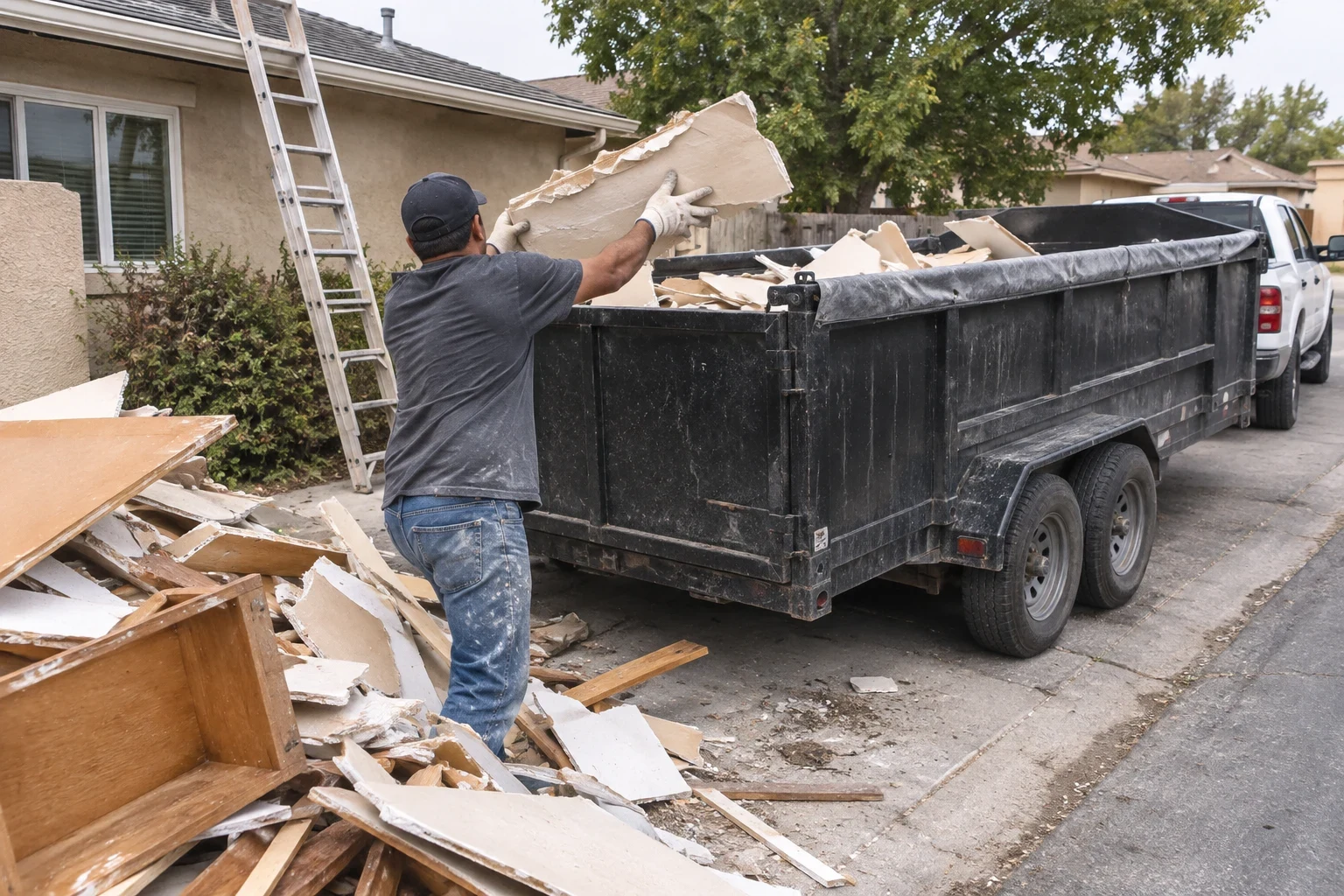
Your remodel is done, or close, and the driveway is buried in drywall scraps, old cabinets and broken tile. We load it, sort what can be recycled, haul it off and sweep the area. One person handles your job from the estimate to the final sweep.
Remodel leftovers need different handling
Any remodel or repair leaves a specific kind of waste behind: gypsum board offcuts, framing lumber with nails still in it, plaster and lath, asphalt shingles, ceramic tile, old flooring, carpet and pad, and chunks of concrete or brick. Pound for pound it is heavier and dirtier than household clutter, and many of these materials go to their own recycler or disposal site. That is why we treat it as its own job instead of folding it into a general junk removal pickup.
You are a good fit for this service if you ran your own remodel, if a contractor finished and left the pile with no disposal plan, or if you gutted a bathroom or kitchen and need the rubble out before the next trade shows up. If walls, decking or a small structure still have to come apart first, see our light demolition page.
You deal with one person throughout: the same person who takes your call walks the pile with you and signs off when the job is done. We are fully insured with commercial general liability coverage, which counts when heavy material is being carried across your driveway and past your home.
What we handle on a debris job
Loading from where it sits
We pick up from the driveway, side yard, garage floor or a pile against the house. You do not need to drag anything to the curb first.
Sorting by material
Clean concrete, brick and asphalt, metal, and clean lumber can often go to recyclers instead of landfill. We separate them on the truck where the load allows, which also helps when a building permit asks where the waste went.
Heavy, dense material
Tile, mortar beds, shingles and concrete weigh far more than their size suggests. We plan the load around weight, not just volume, so the truck stays legal and nothing gets left for a second trip you did not expect.
Nails, screws and sharp edges
Demolition lumber and lath are full of fasteners. We handle them with gloves and pick up loose nails and screws from the work area so they do not end up in a tire or a bare foot.
Sweep-up when the pile is gone
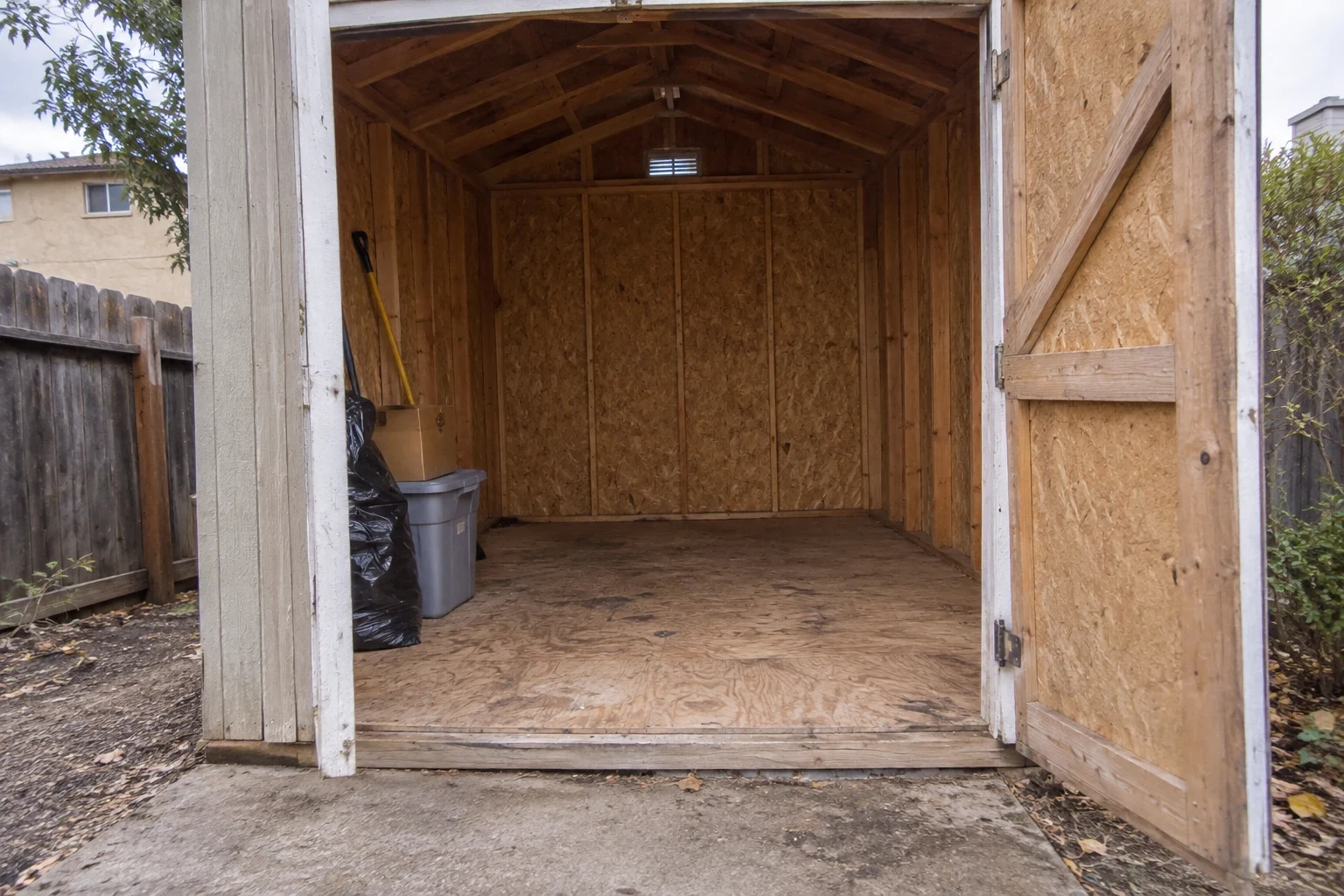
Drywall dust and grit settle into the concrete under a debris pile. We sweep the spot clean before we leave.
Signs it is time to clear the debris
- The next trade cannot start
- Painters, flooring installers and cabinet crews need clear floors and a clear path from the street. A leftover pile can push their start date.
- Drywall is getting wet
- Gypsum board soaks up water from sprinklers or a rare rain and turns into a heavy, crumbling mass. Wet board also starts to grow mold, so it is better hauled while it is dry.
- Your bin is full or never came
- A rented dumpster fills faster than expected, and some debris was never going to fit. We take the overflow, or the whole load if you skipped the bin.
- Nails in the driveway
- Once fasteners start working out of the pile and onto the concrete, the debris has become a hazard for cars, kids and pets.
- Pests have moved in
- Lumber stacks and cardboard packaging left for weeks give rodents and black widows cover, especially in the long dry summers around Winters.
How the job runs
- 1
Your phone call
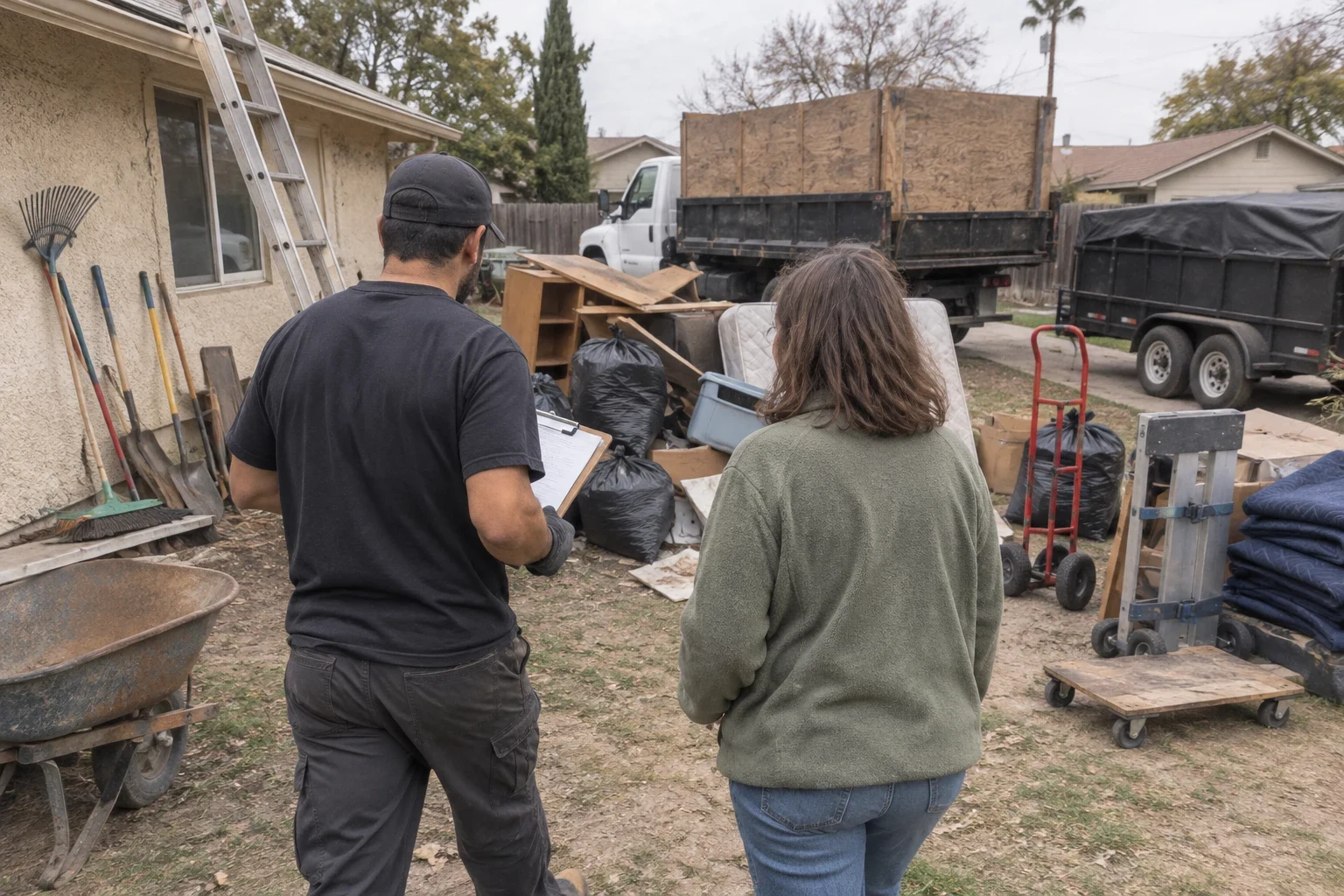
Tell us roughly what the project was and what is left. We set a time to see the pile in person.
- 2
Estimate at your home
We look at the materials, estimate the volume and weight, check the carry path, and give you a price on the spot. The price quoted on site is the price you pay, with no hidden fees.
- 3
Loading and sorting
The crew loads by hand, separating concrete, metal and clean wood where possible. If we find something we cannot take, such as wet paint, solvents or material that may contain asbestos, we tell you right away instead of quietly leaving it.
- 4
Haul-off and cleanup
We sweep the area, pick up stray fasteners and drive the load to the right recycler or transfer station. Your contact confirms with you that the space is clear before the job is closed.
How we price a debris load
Construction debris is priced on two measurements: the share of our truck bed your load fills and what it weighs once it reaches the transfer station scale. We do not put a number on it before seeing it, because a heap of broken tile and a heap of foam packaging can look the same size and still differ several times over in weight. Once we have walked the pile with you, the price quoted on site is the price you pay, with no hidden fees.
- Portion of the truck bed
- Each estimate begins by gauging what fraction of the bed your debris will occupy once it is stacked.
- Density of the material
- Concrete, brick, tile, plaster and asphalt shingles pack a lot of weight into a small space. Disposal sites charge more to accept them than a same-size load of framing offcuts or drywall scraps.
- Separated or tangled
- Drywall, wood and metal already set in their own stacks go onto the truck quickly. A pile where everything is mixed together takes longer, since we pull it apart for recycling as we load.
- Distance from the truck
- Debris piled near the street is loaded in a few steps. Material in a backyard, up a slope or past a narrow side gate means more trips on foot, and that added labor is reflected in the estimate.
Construction debris questions
- Do you take concrete and brick?
- Yes, in pieces we can lift and load by hand. Concrete and brick are heavy, so they affect the price more than bulky but light material. Clean concrete without much rebar or dirt mixed in is easier to send to a recycler.
- Can you take old drywall that might have asbestos?
- We do not haul material that may contain asbestos. Some older drywall joint compound, textured popcorn ceilings and older vinyl floor tiles can contain it. If your home is older and you are unsure, have the material tested before demolition, and we can haul it once it comes back clear.
- Will I get a receipt for my permit?
- Many permitted projects in California ask how construction waste was disposed of or recycled. Tell us during the estimate if your building department needs paperwork, and we will keep track of where the load goes.
- Do I need to be home during the pickup?
- You need to be there for the on-site estimate so we can agree on what goes and on the price. For the haul-off itself, the debris just needs to be reachable, and your contact can confirm the finished job with you afterward.
- What if my contractor left the mess?
- That happens often. We can remove it whether the contractor is still on the project or long gone, and our estimate is with you directly.
Get the remodel leftovers out of your way
We see the pile, give you a firm price on the spot and clear it from your home in Winters, Davis, Dixon or nearby. You have one person to ask from the first call to the final sweep.